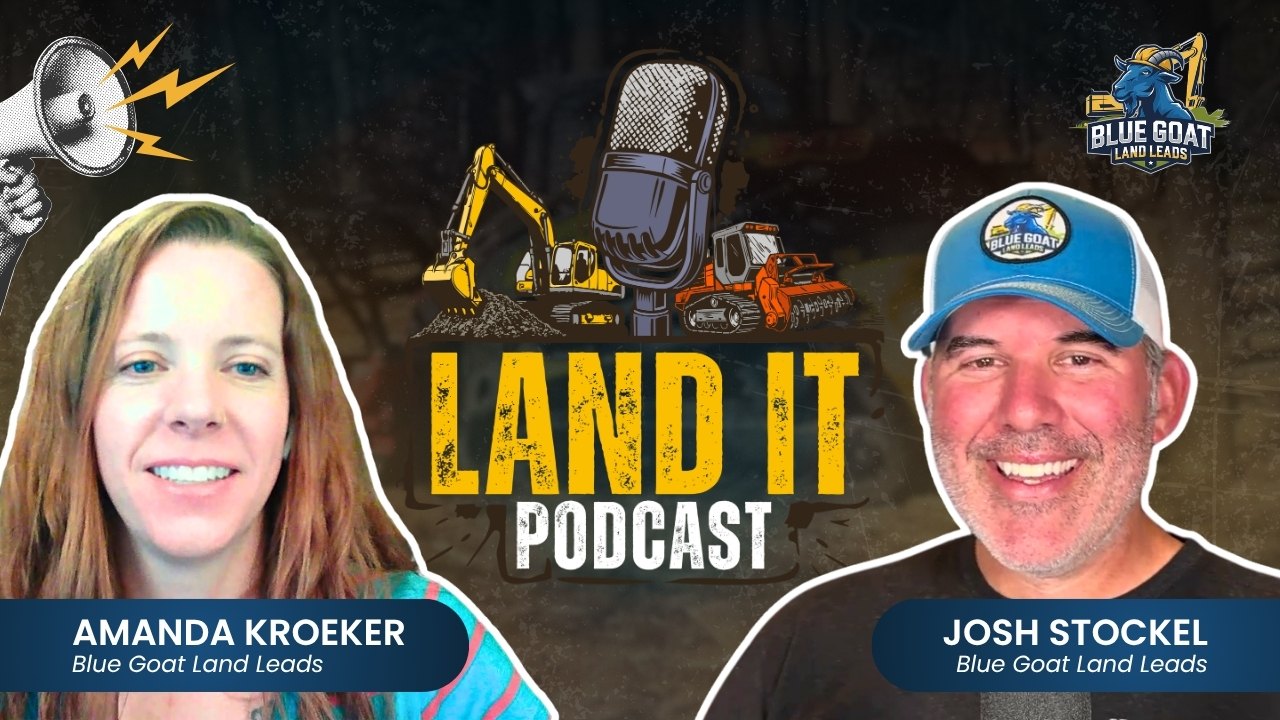
Start with the path from inquiry to response
Co-host Amanda suggests a 'Saturday test': visit your own website, map listing and social profiles as a customer, then submit a request and see whether it arrives. They recount finding a contractor website displaying the wrong phone number and stress timely follow-up with older leads.
Make the website usable on a phone
Josh and Amanda want a mobile visitor to understand the service quickly and be able to call, text or send a form without friction. They also emphasize reviews, clear company information and working calls to action over a site that merely looks polished.
Play episode 12.
Treat maps, reviews and ads as different channels
They recommend maintaining an accurate Google Business Profile, choosing an appropriate primary category and requesting descriptive customer reviews. In paid media, they distinguish an active Google searcher from a lower-intent social-media viewer and discuss video for social and YouTube placements.
Publish helpful details without promising magic rankings
The conversation favors clear, conversational service content and qualified price ranges over keyword stuffing. The speakers discuss how search and AI discovery are changing, but frame performance indicators and ranking effects as observations rather than guaranteed outcomes.
Match the market, message and media before buying attention
Amanda uses a three-part frame for a campaign: identify the market, decide what problem the message solves and choose media where that buyer is likely to look. A contractor seeking commercial projects should not assume the same platform or pitch will reach someone shopping for residential mulching. Josh pushes further on differentiation. A claim that the company does good work, or that competitors are worse, gives a landowner little concrete reason to call. A more useful message might explain a specific service advantage, such as a faster project schedule the business can actually deliver. The conversation shifts the starting question from how much to spend on ads to whom the campaign is trying to help and why.
See the full conversation.
Show the transformation, not just the equipment
Josh and Amanda discuss filming the work as it happens: a machine on site, drone views, time-lapse sequences and before-and-after footage. They also mention owner and customer interviews as ways to give a viewer more context than a generic machine clip. The appeal is not just spectacle. A property owner who has never pictured how overgrown land could change can see the starting conditions and the completed result together. Because social ads reach people who may not already be searching for a contractor, video can introduce the possibility of a project before a search query exists. Their examples are creative ideas from the interview, not a promise that any one clip will generate sales.
A payment option can change who can accept a proposal
The speakers argue that some landowners can afford a project over time but cannot comfortably pay its entire price upfront. Josh compares this with other purchases commonly presented as monthly payments and suggests that qualifying residential customers be offered a financing option alongside the full-price choice. Amanda notes the distinction between an urgent repair in another trade and a land project a buyer might postpone. They also recognize that financing will not fit every prospect: a customer still needs to qualify and be comfortable with the terms. The editorial takeaway is to make the payment discussion explicit without confusing a monthly figure with the total cost or implying approval is assured.
Ideas to take back to the work
- Test the entire customer contact journey, including the published phone number and form delivery.
- Build mobile-first contact options and follow up with leads who are not ready immediately.
- Keep the map profile and reviews active; choose ad channels with lead intent and creative needs in mind.
Questions from this conversation
What is the Saturday test?
Act like a prospective customer: find your business online, inspect its mobile pages and listings, then try the contact methods to see whether an inquiry reaches you.
Why do the speakers value follow-up?
A prospect may not buy on first contact; they describe using a CRM to stay in touch, while stopping outreach when someone declines.
How do they distinguish Google and Meta ad leads?
They describe Google search leads as people actively looking for a service, while social ads interrupt browsing and may bring cheaper but less ready-to-buy inquiries.
What are the three Ms in the episode's marketing framework?
Amanda identifies market, message and media: whom the contractor wants to reach, which relevant problem or benefit the offer speaks to, and where that customer can be reached. The framework asks a business to define the buyer and an honest reason to choose it before selecting a platform or spending on an advertisement.
What kind of video do Josh and Amanda suggest for land-service ads?
They suggest real work-site footage, including the equipment in action, drone shots, time lapses and a clear before-and-after view. An owner or customer interview can explain the project as well. Their point is to help a landowner picture a result, especially on social media where the viewer may not have been actively searching for mulching.